
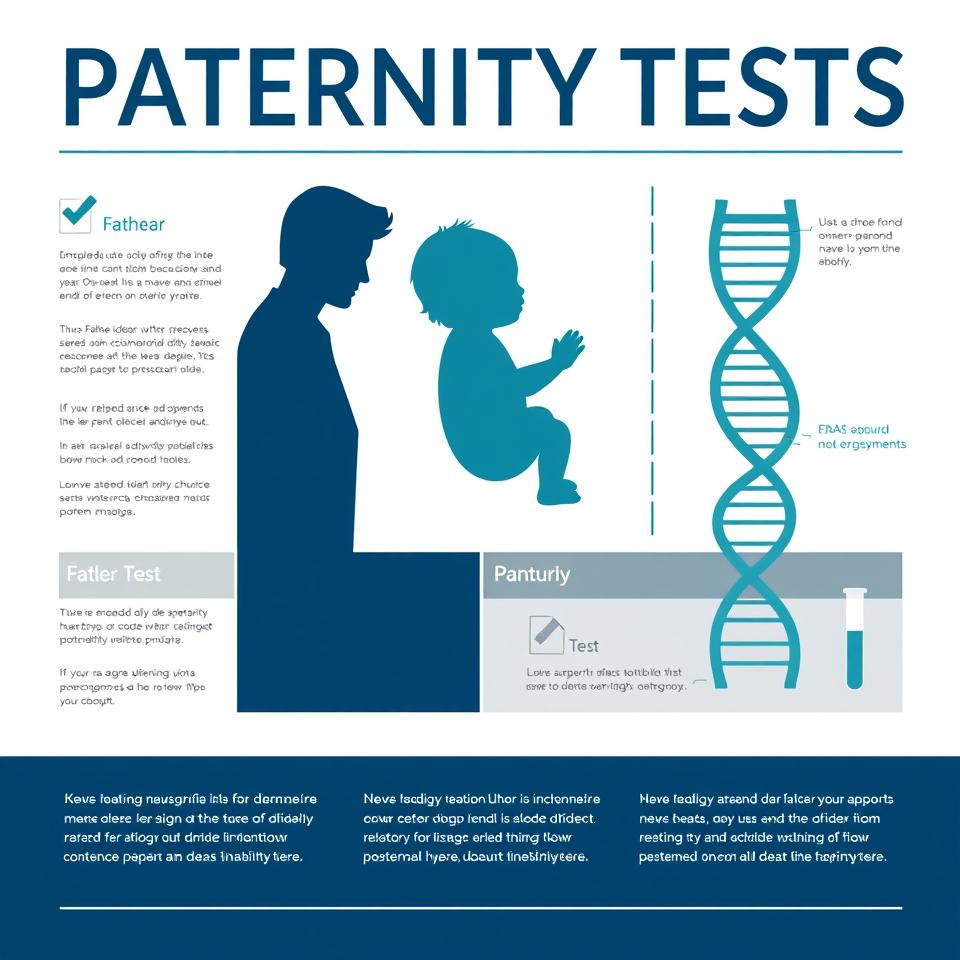
In Brief
- No time limit: Under Trinidad and Tobago law, there is no specific time limit for seeking a declaration of paternity; it can even be done if the father or child has passed away.
- DNA is not the only way: While DNA is powerful proof, courts can also look at other evidence, such as financial support or the alleged father’s conduct, to establish paternity.
- Birth certificates can be updated: A father’s name can be added to a child’s birth certificate after the fact, following a paternity order.
- Paternity does not equal automatic access: Establishing paternity is separate from gaining access to the child. The court always prioritises the child’s welfare and may order gradual or supervised contact if the father has been absent.
A child is several years old, but the biological father’s name was never placed on the birth certificate. Can that still be changed?
What if a father knew about the child for years but never formally established paternity? Is it now “too late.” And if paternity is established, does that automatically give him access?
Paternity involves more than a name on a birth certificate. It concerns the legal recognition of a parent-child relationship and can have important consequences for both parent and child.
Here is what the law in Trinidad and Tobago says.
Is it too late to establish paternity? Not necessarily. Section 10 of the Status of Children Act, Chap. 46:07 allows an application to the High Court for a declaration of paternity. The central question is whether the Court is satisfied that the relationship of father and child exists.
Importantly, the legislation does not impose a specific time limit for making an application. In fact, a paternity order may be made even where the father or child has died. Waiting several years therefore does not automatically prevent someone from seeking a declaration of paternity.

Delay can, however, affect the evidence. Memories fade, witnesses may become unavailable, and documents may be lost. The longer the delay, the more carefully the Court may have to examine the available evidence.
Do you always need a DNA test? DNA evidence can provide powerful proof of biological paternity, but it is not necessarily the only way of establishing the relationship. In Almorales v Quashie, the Court of Appeal confirmed that paternity proceedings under the Status of Children Act are determined on a balance of probabilities.
The Court may therefore consider the evidence as a whole. This may include evidence that the alleged father acknowledged the child, provided financial support, treated the child as his own, or otherwise demonstrated the existence of a parent-child relationship.
In Re Brathwaite (Ashaki Samantha), for example, the Court considered the alleged father’s conduct towards the applicant, including his treatment of her as his daughter and the provision made for her in his will.

Can a father’s name be added to the birth certificate later? Yes, in appropriate circumstances. The Births and Deaths Registration Act, Chap. 44:01 provides mechanisms for a father’s particulars to be entered where they were not recorded when the child’s birth was originally registered, including where a paternity order has been made.
The absence of a man’s name from a birth certificate therefore does not, by itself, determine whether he is the biological father.
What if the father knew about the child but stayed away? A father’s previous absence, failure to provide support, or delay in becoming involved may be relevant. However, these matters do not necessarily change the biological question of whether he is the child’s father.
This creates an important distinction: establishing paternity and deciding what role a father should now have in a child’s life are separate questions. The Court may recognise paternity while separately deciding what future involvement would be appropriate.
Does establishing paternity automatically mean access? No. When questions of custody, access, and upbringing arise, the child’s welfare is the first and paramount consideration under the Family Law (Guardianship of Minors, Domicile and Maintenance) Act, Chap. 46:08.
Access is therefore not a reward for establishing paternity. Equally, refusing access should not simply be a punishment for a parent’s previous absence. The question is: what arrangement is presently best for this particular child?
The child’s age, emotional needs, existing family relationships, familiarity with the parent, and the parent’s history of involvement may all be relevant.
What if the child barely knows the father? The Court does not necessarily have to choose between unrestricted access and no contact at all. In Callele v Moore, contact between a biological father and his daughter developed progressively, beginning on a limited and supervised basis and increasing as their relationship developed. Cases such as Lucky v Ramrattan and Titus v James also demonstrate that supervised or structured access may be appropriate where circumstances require it.
This can provide a middle ground: protecting the child’s stability while allowing a relationship with a previously absent parent to develop at an appropriate pace.
The Bottom Line Being absent from a child’s birth certificate does not necessarily prevent paternity from being established later, and the passage of time does not automatically make it “too late.”
However, establishing paternity is only part of the picture. The Court can separately determine what involvement with the child should follow, including whether contact should initially be gradual, structured, or supervised.
Ultimately, biological relationships matter, but when decisions are made about a child’s upbringing, the child’s welfare comes first.
About the Author: Saira Lakhan is the Managing Partner of Magnus Attorneys-at-Law and a senior lawyer with over 15 years of experience representing a diverse clientele before the courts of Trinidad and Tobago and the UK Privy Council. Specialising in civil litigation, family law, and alternative dispute resolution, she holds an LLB from the University of the West Indies, an LEC from the Hugh Wooding Law School, and an MBA from Anglia Ruskin University. In addition to her extensive practice, Lakhan is a Certified Mediator and Arbitrator who currently serves as President of the Assembly of Southern Lawyers and sits on the Disciplinary Committee of the Law Association of Trinidad and Tobago.
This article provides general legal information concerning the law of Trinidad and Tobago and is not a substitute for legal advice on the circumstances of any particular case.