
In Brief
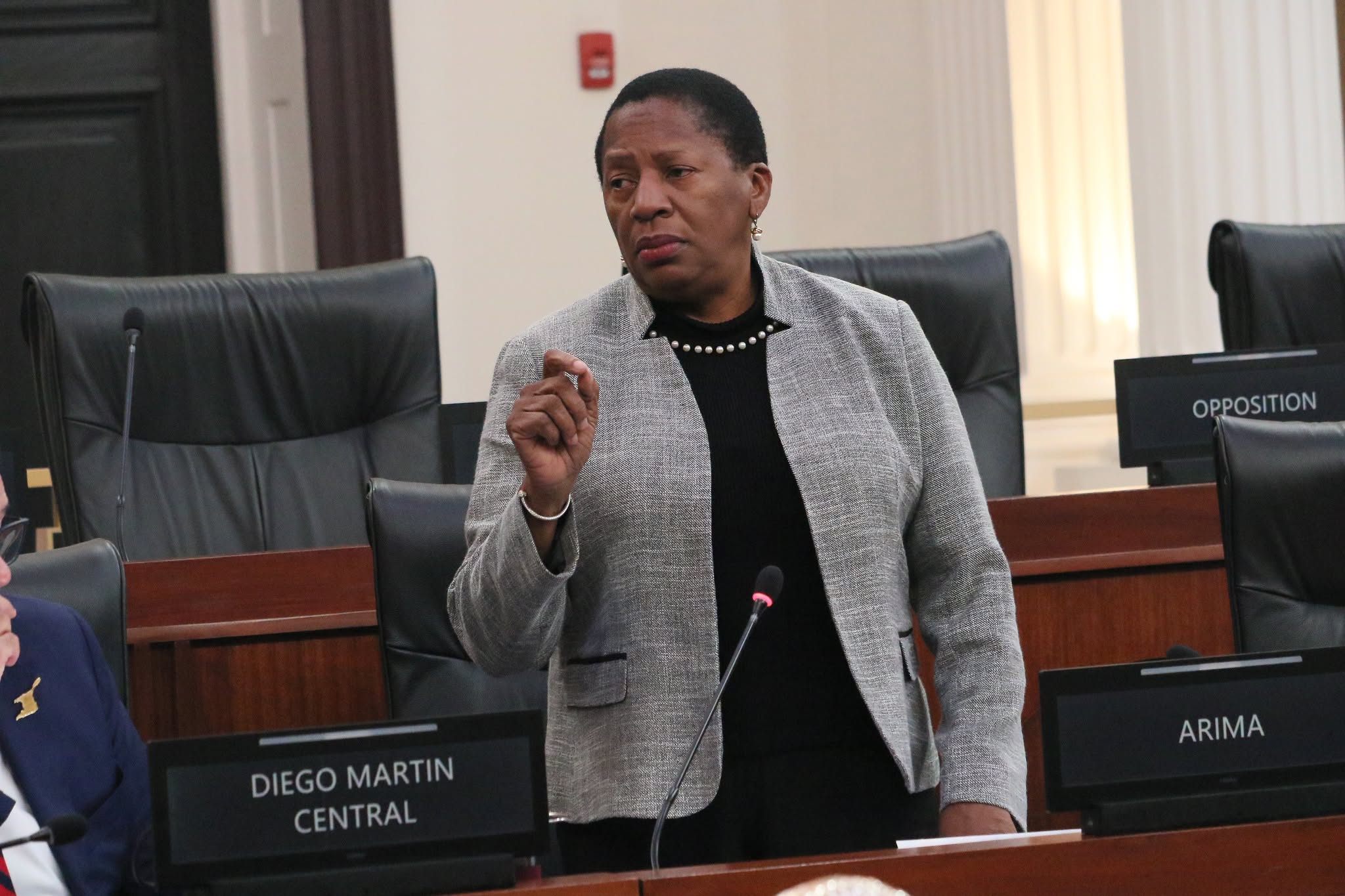
- The Issue: Opposition Leader Penelope Beckles is heavily criticising proposed amendments to the Procurement Act, warning they will severely weaken independent regulatory oversight.
- The Changes: The new Bill allegedly strips the Office of Procurement Regulation (OPR) of its power to halt or reverse procurement proceedings, making its recommendations strictly advisory.
- The Concerns: Beckles claims the amendments allow for greater ministerial discretion, increase spending limits without regulatory checks, and open the door to major scandals and massive payouts to government financiers.
By Alicia Chamely
Opposition Leader Penelope Beckles is sounding the alarm over proposed amendments to the Procurement Act by the government, which she says would remove procurement oversight, weaken independent regulation, and place more discretion in the hands of Ministers and public bodies.
Beckles is further questioning the intentions of the government, saying the amendments to the Act would allow for more “scandals and massive payouts to UNC financiers.”
In a press release on Tuesday, Beckles warned of the new Bill being brought to Parliament to amend the Procurement Act.
Beckles stated the Bill raised “serious questions about the intentions of Government Ministers and this sticky-handed UNC Government.”

Referencing recent procurement controversies, she warned, “This new piece of legislation will allow for more HDC and LandmarkTT scandals and massive payouts to UNC financiers. It also slashes the time in half that suppliers have to bring challenges and puts them in jeopardy of legal costs when they lose.”
Beckles stated the Bill would move to strip the powers of the Office of Procurement Regulation (OPR).
She stated, “Under Clause 5, where the OPR is acting following a complaint or an investigation, it would no longer be able to suspend or stay procurement proceedings, stop a public body from proceeding, require a decision to be reconsidered or reversed, direct a re-evaluation, terminate procurement proceedings, or interfere with the award or performance of a contract.”
She added that recommendations by the OPR, under the proposed Bill, would be non-actionable, but rather “expressly advisory and non-binding.”
She questioned why the public was not notified about the Bill and why the OPR was being stripped of power that had been “used to protect billions of dollars in public procurement.”
Beckles stated the Bill further created procurement exemptions for energy, including natural gas and oil; national security; public-private partnerships for public housing; and certain emergency-related procurement.
She stated, however, that the most “dangerous provision of all” allowed a Minister to exempt “such other procurement as the Minister may, by Order determine.”
Beckles stated that under the existing law, a Minister can only create an additional exemption on the “recommendation of the OPR, or on the Minister’s own initiative with the agreement of the OPR.”
She noted the Bill removed the independent OPR check.

Beckles stated the Bill also raised the procurement exemptions from $1 million to $2 million and revoked the Simplified Procurement Regulations.
She explained, “That means Ministries and specified public bodies can spend up to $2 million, and Municipal Corporation CEOs up to $500,000, outside the procurement requirements of the Act with no procurement regulatory oversight. The OPR is only notified after the contract is awarded.”
Warning of the ramifications of the Bill, she stated, “Let the population understand clearly what is being proposed: more procurement outside the Act, fewer powers for the independent regulator, less protection for suppliers, and more discretion in the hands of Ministers and public bodies.”