
In Brief
- Casting vote clash: Political scientist Prof Hamid Ghany has publicly challenged former Speaker Brigid Annisette-George’s explanation for her use of the casting vote in 2017.
- A numbers game: Ghany argues that tied votes in March and September 2017 were the result of the Government lacking a parliamentary majority on the floor, rather than a desire to allow further debate.
- Status quo questioned: He dismissed the former Speaker’s claim that she was preserving the status quo, describing it as a ‘cloak for parliamentary mismanagement.’
- Arithmetical problem: Responding to Annisette-George’s claim that his analysis was mathematically flawed, Ghany countered that it was the Government who suffered an ‘arithmetical problem’ on those days.
- Constitutional republic: The professor noted that Trinidad and Tobago’s Constitution does not require the Speaker to vote in any particular way, criticising the desire to cling to British parliamentary conventions.
By Prior Beharry
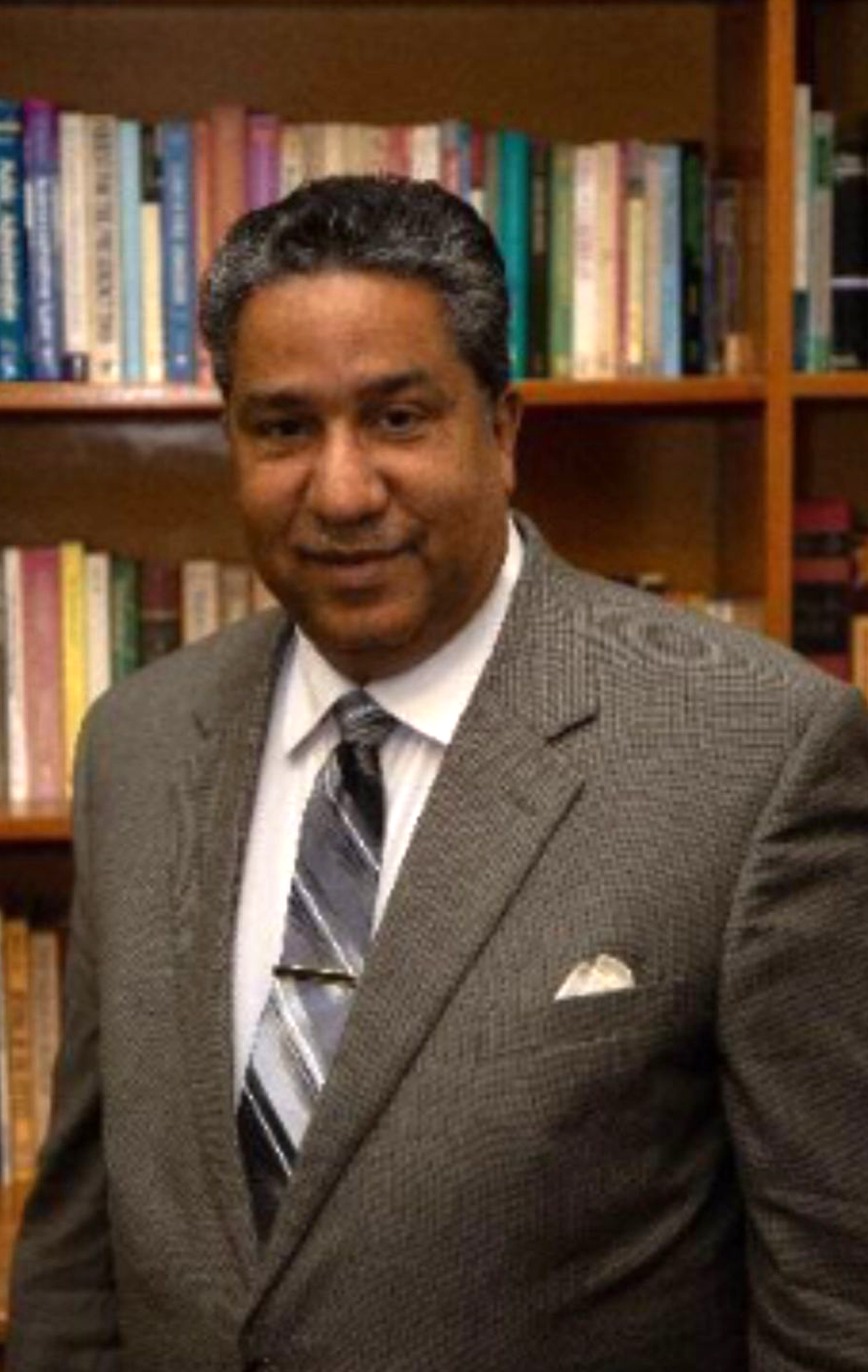
Political scientist Professor Hamid Ghany has issued a challenge to former House Speaker Brigid Annisette-George, disputing her recent justification for using the casting vote during two parliamentary sittings in 2017.
In a statement Annisette-George criticised Ghany’s Sunday Guardian commentary and comment to the Express. He rejected her “post-event interpretation” of the circumstances surrounding the tied votes.
Annisette-George had likened Ghany’s analysis to having the right formula but adding the numbers incorrectly, declaring his conclusion “ALL WRONG.”

In response, Ghany fired back: “Methinks that the real arithmetical problem arose for the Government that day and not with me. Fortunately, the Speaker was there to bail them out.”
Ghany pointed to the 15 March 2017 sitting, during which the then People’s National Movement (PNM) government sought to abruptly adjourn debate on the Indictable Offences (Pre-Trial Procedure) Bill. The motion resulted in a 16-16 tie. Ghany argued that the government did not halt the debate to allow for further discussion, as claimed, but rather because they lacked the numbers to pass the legislation.
He noted that the government attempted to suspend the House for ten minutes before the vote was finalised. Following the tie, the House did not adjourn but proceeded to debate another bill, he said.
Ghany said video evidence showed minister Stuart Young arriving later, having just gotten off a plane, which finally gave the government the majority needed to continue its business.
He said, “Plain and simple, it had to do with their numbers on the floor of the House and not with any lofty principles about protecting the status quo.”
Ghany said a similar scenario happened on 8 September 2017, when the government moved to adjourn debates on bail and plea agreement legislation.
According to him, Hansard records from that day show government minister Camille Robinson-Regis admitting that a member was unexpectedly ill. This resulted in three 17-17 ties, with the Speaker’s casting vote allowing the House to adjourn unusually early at 3.33 pm.
Ghany criticised the former Speaker for ignoring pleas from Oropouche East MP Dr Roodal Moonilal for an explanation on the use of the casting vote at the time, noting that “the silence was deafening.”

He said that under Section 59 of the Constitution, there is no requirement for the Speaker or the President of the Senate to vote in any particular way, criticising the “deep-seated desire to conveniently cling to a British parliamentary convention and to try to import it into our status as a constitutional republic.”
“The actual votes that day reveal that the status quo argument was really a cloak for parliamentary mismanagement on the part of the Government Whips in March and September 2017,” Ghany said.
He added, “They failed to ensure that the Government had enough MPs in place on those days instead of playing Russian roulette with the backstop of the Speaker’s casting vote as protection.”