
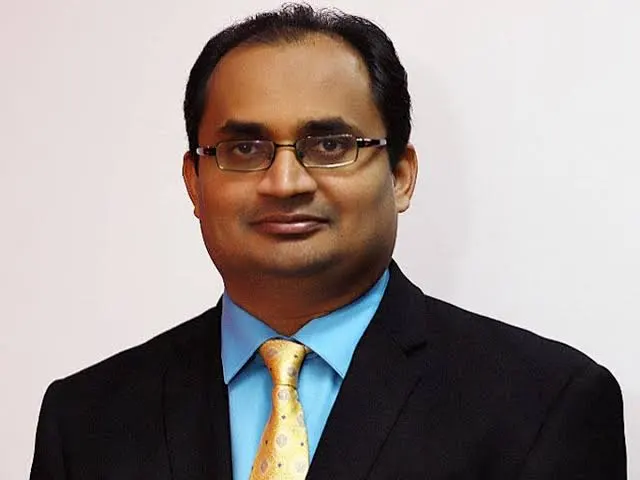
Caption: Dinesh Rambally
In Brief
- Dinesh Rambally extends Divali greetings to every home in Trinidad and Tobago, reflecting on the traditions carried by Indian forefathers since the arrival of the Fatel Razack in 1845.
- He outlines the five days of Divali 2026, from Dhanteras on Friday 6 November to Bhai Dooj on Tuesday 10 November, explaining the significance of each day.
- He urges the nation to see the many flames as one fire, and to remember the grieving, the sick, the lonely and those struggling to make ends meet.
Dear Editor,
To every home across Trinidad and Tobago, of every faith, my warmest wishes for a blessed Divali. Each year I have shared reflections on Divali in these pages. This year I return to those writings and offer what I humbly consider to be the most important.
Divali, celebrated by all of Trinidad and Tobago, rests on traditions our forefathers carried across the Kala Pani, beginning with the arrival of the Fatel Razack in 1845. These include waking before sunrise and bowing to the earth, offering water to the Sun, lighting a deya at sunset, praying beneath the peepal tree, ringing the bell and blowing the conch, eating on sohari leaf, tying rakhi, and honouring our parents, elders, teachers and guests. In the Bhagavad Gita (1.40), Arjuna warns that when family traditions perish, adharma overtakes the whole family. That is why we keep the five days of Divali.

The five days of Divali 2026
Dhanteras, Friday 6 November. “Teras” means thirteen, as the day falls on the Trayodashi of the waning moon. It is also the appearance day of Lord Dhanvantari, the divine physician. We buy utensils, gold or silver, and at dusk light a four-wicked Yam Deep at the front entrance, facing south, the direction of Yama, praying that no untimely death visits the home. Our elders link this to Savitri, whose devotion and wisdom, as the Mahabharata tells, persuaded Yamraj to restore the life of her husband Satyavan.
Narak Chaturdashi, Saturday 7 November. Lord Krishna slew the demon Narakasura (Bhagavata Purana, Book 10). The Garuda Purana describes the soul’s journey after death, a path that can be dark, so we light fourteen deyas on the southern side of our homes in honour of Yamraj, that their light may guide our ancestors, whom we remember with love.
Divali, Sunday 8 November. We worship Lord Ganesh first, then Mother Lakshmi in her eight forms, the Ashta Lakshmi:
Adi Lakshmi, the primordial Mother
Dhan Lakshmi, giver of money and gold
Dhanya Lakshmi, giver of the harvest
Gaja Lakshmi, giver of livestock and abundance
Santan Lakshmi, giver of children
Veer (Dhairya) Lakshmi, giver of courage
Vijaya Lakshmi, giver of victory over difficulty
Vidya Lakshmi, giver of knowledge
Her wealth is far more than money, and as a Mother she withholds her love from none of her children. We also honour Lord Vishnu, her eternal consort, Lord Indra, and Lord Kubera, guardian of the North and lord of treasures, whose blessings flow from the grace of the Divine Mother herself.
Govardhan Puja, Monday 9 November. The Bhagavata Purana tells how Lord Krishna lifted Govardhan hill and held it for seven days to shelter the people of Vraja from Indra’s storms.
Bhai Dooj, Tuesday 10 November. Also called Yama Dwitiya, it recalls Yamraj’s visit to his sister Yamuna. Sisters apply tilak and pray for their brothers, while brothers bless their sisters with protection.
The fire of oneness
Fire is far from modest. It is one of the five great elements of creation, and no puja or yagna is complete without it. As the deyas burn, we pray with the Brihadaranyaka Upanishad (1.3.28): “Tamaso ma jyotir gamaya,” which means “lead me from darkness to light.”
Look closely and the many flames are one fire. A flame loses nothing when it lights another. So too, we are one people, one humanity, one with our Creator. Let every deya be a prayer for judgment free of prejudice, wisdom to choose what is needed over what is convenient, and empathy for those who suffer. The more of us who light, the greater our brilliance as a people.

This Divali, let us remember those for whom this season is hard: the grieving, the sick, the lonely and those struggling to make ends meet. A plate of sweets shared, a visit, a deya lit for someone who cannot light their own: this too is worship, for the Mother dwells in every heart.
The Katha Upanishad (2.1.12–13) describes the Self within us as the size of a thumb, shining like a flame without smoke. When we light our lamps, we clear the darkness around us. When we honour the Divine Mother, she clears the darkness within.
May the fire of Divali burn in our hearts not for one night, but for a lifetime. May Mother Lakshmi bless every home in our nation with peace, prosperity and light.
Shubh Divali to all.
Dinesh Rambally
St Joseph