
In Brief
- The Parable of the Lamp: Just as a soot-covered lamp needs cleaning rather than replacing, Diwali reminds us to wipe away anger, greed, and pride so our inner light—and that of our friends—can shine again.
- A Universal Language: The symbolism of spiritual light transcends Hinduism, appearing as a central theme across Islam, Christianity, Judaism, Sikhism, and Jainism.
- Daily Renewal: From the perspective of Brahma Kumaris Raja Yoga, the festival is an invitation to look inward through meditation, reconnect with the Supreme Soul, and awaken our innate qualities of peace, love, and bliss.
- The True Meaning: While clay deyas eventually burn out and new clothes grow old, the light of a virtuous soul never diminishes and only grows brighter when shared with others.
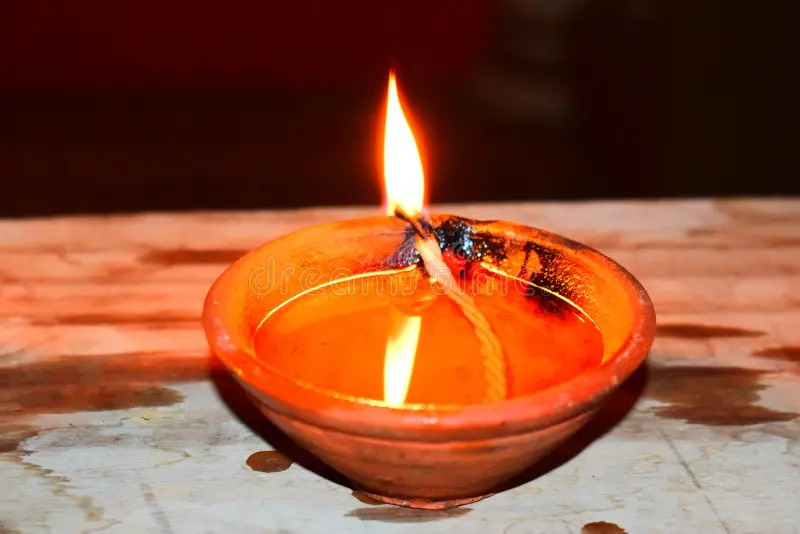
Grandma lived in a small village. Every year, as Diwali approached, she would clean the house, decorate, and place dozens of little deyas around the entrances. The grandchildren loved helping and would eagerly wait for the evening when the deyas would be lit.
One year, her grandson asked, “Grandma, why do you spend so much time cleaning the deyas? Can’t you buy new ones like Mum?”
The grandmother smiled and took the boy by the hand. She led him to a room where an old lamp stood. It was covered with dust, and its glass shade was darkened with soot.
“Look at this lamp,” she said. “Do you think that it can give light?”
“If we clean it,” replied the boy.
“Exactly,” Grandma said. “And that’s what we must do with ourselves. As we go through life, anger, greed and pride can cover our inner light.
Even for others,” she continued, “we don’t abandon our friends because of their mistakes. With patience, care and understanding, we can help them shine again. This Diwali, remember that we must continually be attentive to keep bright the shine of our own light and that of others.”

Light across cultures
The symbolic use of light is not exclusive to Hinduism. It is a universal spiritual language that appears across cultures and traditions. Ayat an-Nur, the Verse of Light (Chapter 24, Verse 35) of the Qur’an, begins: “Allah is the Light of the heavens and the earth.”
In the Bible, Jesus is described in the Gospel of John as the “light of the world.” (John 8:12.) Meanwhile, Matthew 5:16 urges believers to “let your light shine before others” through good deeds.
In ancient times, the flames of the menorah were kept continually burning in the Tabernacle and the Jerusalem Temples. For the Jewish people, it represents the eternal light of God’s presence.
Sikhs celebrate Bandi Chhor Divas, which coincides with Diwali. It commemorates the release of Guru Hargobind Sahib from imprisonment. Spiritually, this reminds us of the importance of freeing ourselves from the imprisonment of negative habits and limiting attitudes.
In Jainism, Diwali marks the nirvana—or liberation—of Lord Mahavira. It is associated with the attainment of spiritual freedom and enlightenment.

Make every day a festival of light
From the perspective of Brahma Kumaris Raja Yoga, Diwali is understood as an invitation to reconnect with the Supreme Soul. Through meditation, we turn our attention inward, remember our identity as souls, and establish a loving connection with God the Father. This relationship helps us awaken and strengthen our original qualities of peace, love, and bliss.
The celebration is a reminder to continuously pursue our inner renewal. We do not have to wait for another Diwali to remove the dust of negativity from our minds, just as we should not wait for a festival to practise kindness, patience, and forgiveness.
Light of the soul
A lamp may illuminate a room, but the virtues of the soul illuminate lives. The light of purity, compassion, and wisdom is what makes a human being truly beautiful. The soul is spiritual and eternal, originally endowed with these divine qualities. Just as a lamp can become covered with dust and lose its brilliance, the natural qualities of the soul can become obscured by negative thoughts of selfishness, attachment, and anger.
The purpose of spiritual effort is to remove these coverings so that the original light of the soul may shine. The various practices associated with Diwali can be understood as reminders of this inner transformation.
The original intention of the festival is to recommit ourselves to personal goals—I will not carry yesterday’s negativity into tomorrow; I will become a better version of myself—and to follow a daily routine that achieves these commitments.
The deyas we light will eventually burn out, the new clothes will become old, and the decorations will be put away. But the light of a virtuous soul need never diminish.
Just as a deya can light another without losing its own brightness, the glow of virtue is not diminished by sharing. It grows brighter with use.
The brightest Diwali
Let us celebrate Diwali not only by lighting deyas around our homes, but by lighting the lamps of peace, love, and happiness within. The brightest Diwali is not the one in which the most deyas are lit, but the one in which the greatest number of souls rekindle their inner light. Happy Diwali.
Vijai Sadal is a student of the Brahma Kumaris Raja Yoga Meditation Centre. He can be reached at vijai@pepesmkt.com