
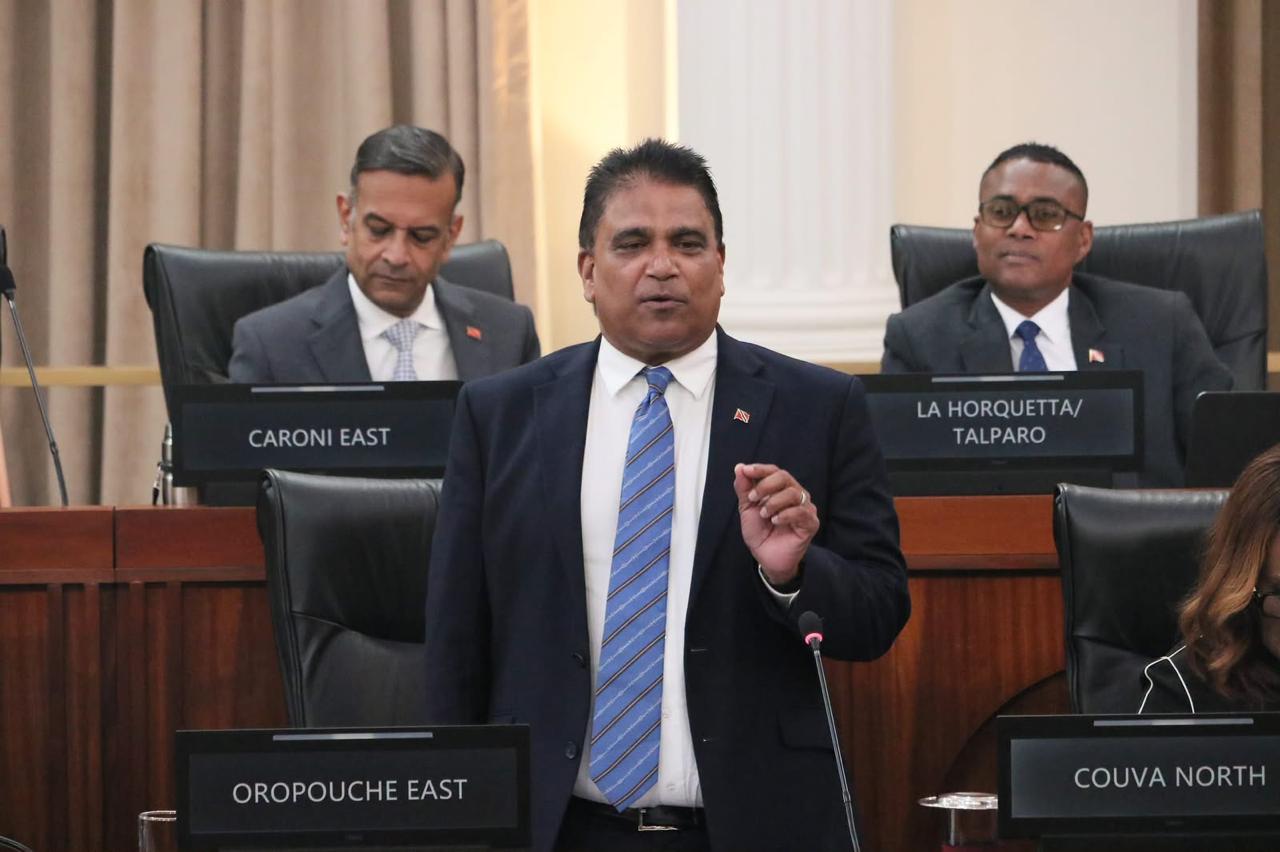
Caption: Dr Roodal Moonilal. Photo: T&T Parliament
In Brief
- Parliamentary Clash: Oropouche East MP Dr Roodal Moonilal and Port of Spain North/St Ann’s West MP Stuart Young fiercely debated the proposed Special Operations Bill 2026 in the Lower House on Friday.
- ‘Police State’ Concerns: Young heavily criticised the bill’s provision for “closed areas,” arguing it would restrict citizens’ movements and trample on constitutional rights.
- Pushback: Moonilal dismissed Young’s claims as fearmongering, clarifying that closed areas would be highly targeted based on intelligence, and took a veiled jab at Young by referencing a 2018 drug bust in Westmoorings.
By Prior Beharry
Oropouche East MP and Minister of Energy Dr Roodal Moonilal says Port of Spain North/St Ann’s West MP Stuart Young is “deliberately and wilfully misleading the population.”
He pushed back against claims by Young that the legislation will transform Trinidad and Tobago into a “police state.”
The clash took place during a debate in the Lower House on Friday over the proposed Special Operations Bill 2026, centring on the bill’s provision for “closed areas,” which Young argued would lead to the lockdown of entire districts and the trampling of citizens’ constitutional rights.

Moonilal accused Young of “deliberately and wilfully misleading the population” by spreading fear that entire regions—such as Penal/Debe, Siparia, or Port of Spain—would require residents to obtain permits simply to go to school, attend a wedding, or leave their homes.
“The law says any area within a district, not a district, and a closed area could be a few streets. A closed area could be one street. A closed area could be his house,” Moonilal said.
He said that a closed area would only be declared by the President, subject to a negative resolution of the House of Representatives, and would be strictly based on police and defence force intelligence regarding violent crime, gang activity, or illegal weapons.

Moonilal also took a thinly veiled jab at Young by referencing a major drug bust that occurred on 4 December 2018, at Regent’s Garden in the upscale neighbourhood of Westmoorings. Moonilal read details of the bust, which involved the seizure of $3.8 million worth of marijuana and cocaine, and specifically named one of the accused, Krystiana Sankar—reportedly Young’s former stepdaughter.
“I don’t know if there’s any relation to anyone in this house, I don’t know people’s family business,” Moonilal said, noting that crime is not confined to specific target demographics or traditional hotspots.
He said that despite facing serious narcotics and ammunition charges, the accused had been travelling freely to countries like Venezuela and Curaçao as recently as 2026.
Moonilal said, “My point really is, don’t try to say that this thing is targeting a particular group, in a particular area.”
He added that a closed area could just as easily be in Siparia, Westmoorings, or Goodwood Park if intelligence demands it.
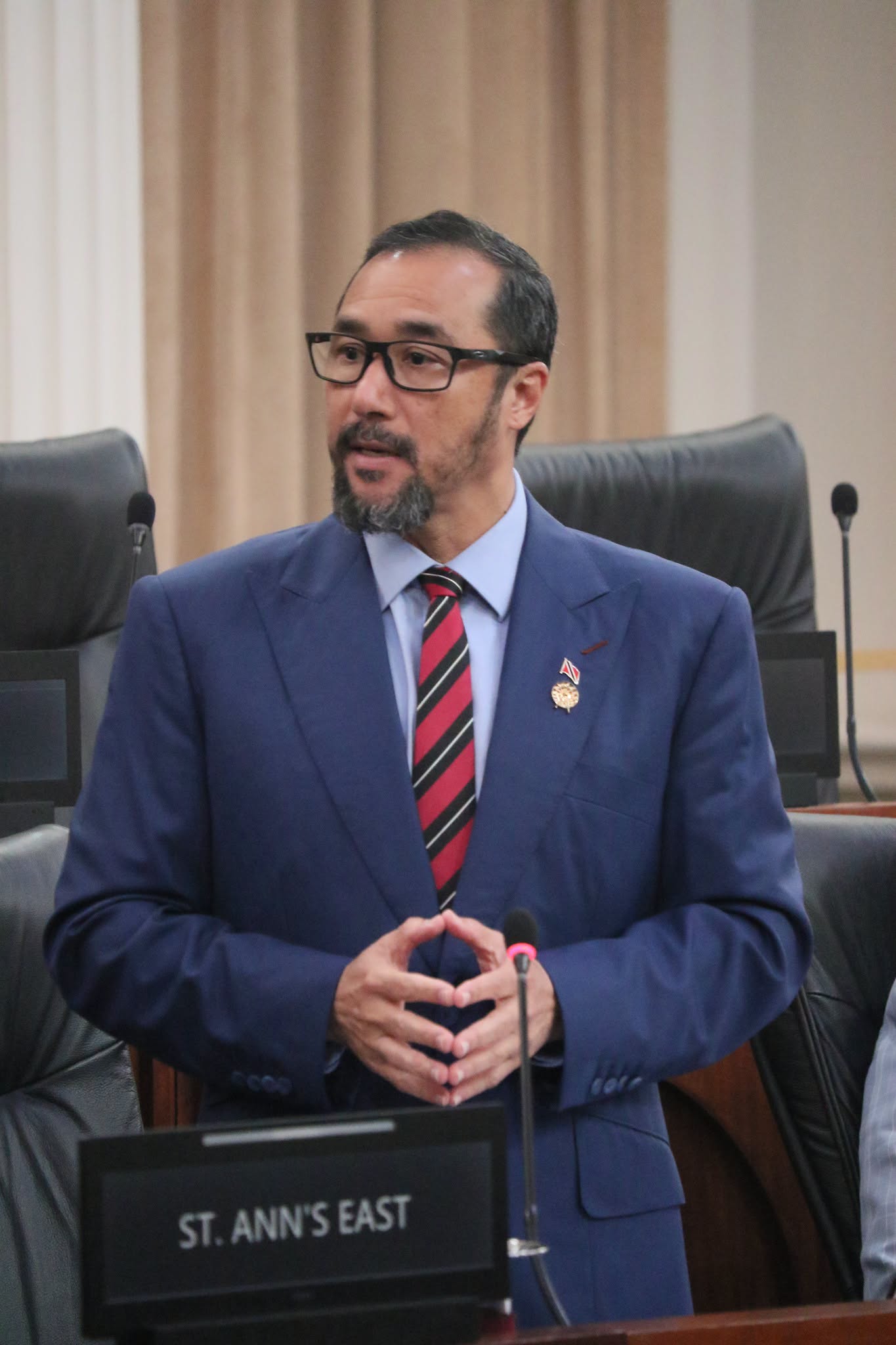
Young said that the Government was attempting to rebrand the highly criticised “zones of special operations” into “closed areas.”
“This piece of legislation is dangerous,” Young said. He argued that the bill essentially designates every square metre of the country under a policing district.
“The UNC is passing legislation here today that makes Trinidad and Tobago nothing less than a police state, with a trampling on constitutional rights here of all citizens, not just those who engage in criminality,” Young said.
He raised alarms over the permit system required to enter or exit these zones and expressed deep concern that the Prime Minister could ultimately dictate where these closed areas are established and which law enforcement officers operate within them.
Young said the population was already traumatised and intimidated by the Government’s approach to the legislation.