
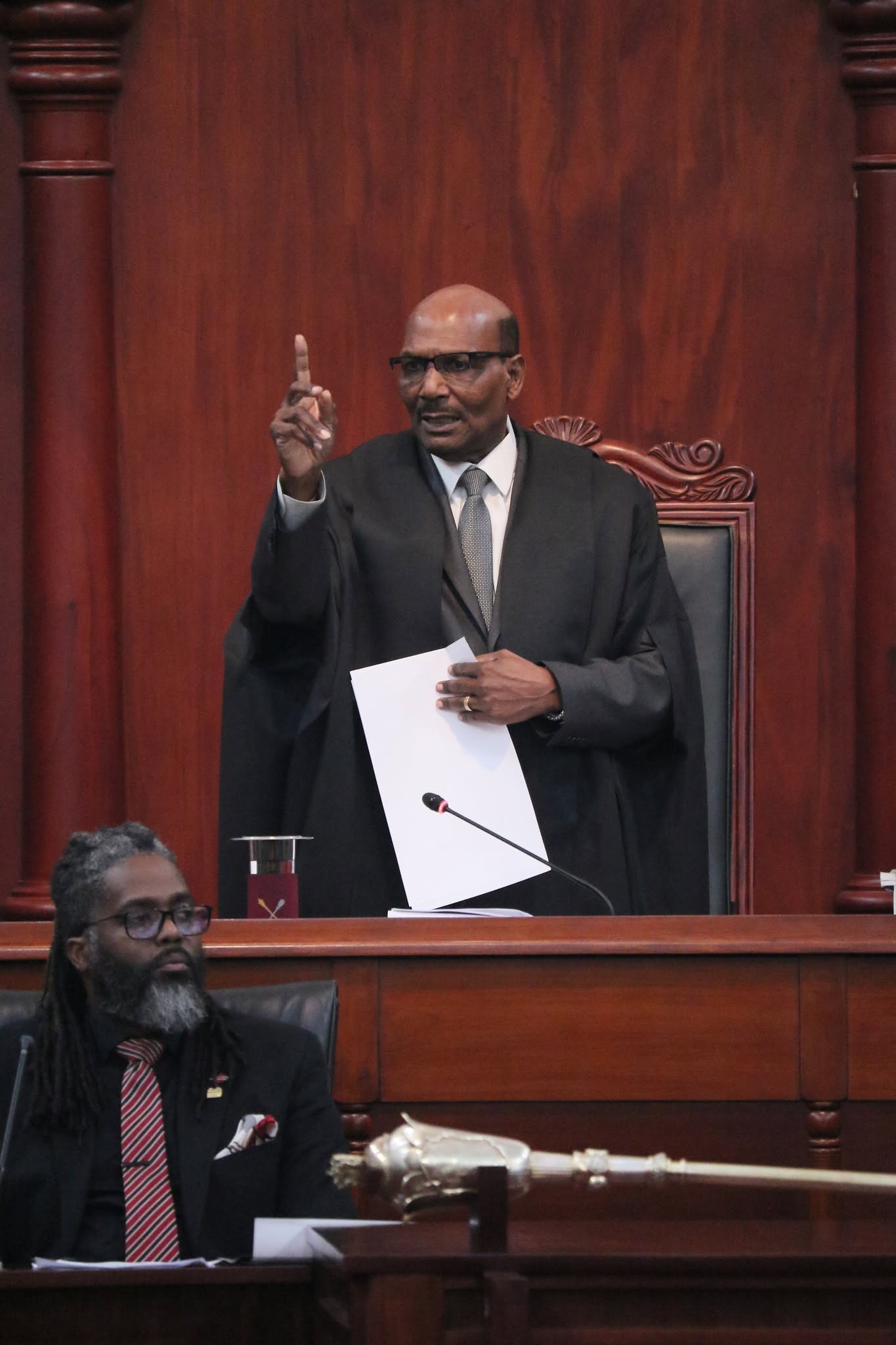
Caption: Wade Mark. Photo: T&T Parliament
In Brief
Bill passed in Upper House: The Special Operations Bill 2026 was passed in the Senate with Senate President Wade Mark casting the deciding vote for the Government.
Body-cameras amendment rejected earlier: Earlier, Mark voted against maintaining the status quo to defeat an amendment making police body cameras mandatory.
Division results: At the final vote, all 15 Government Senators voted in favour, while the six Opposition and nine Independent Senators voted against.
Standing orders row: Mark objected to procedural challenges raised during the passage of the Bill, telling Senator Faris Al-Rawi he could not stand on further points of order ‘at this time.’
Defence of Mark’s casting vote: Leader of Government Business Darrell Allahar defended Mark’s use of casting votes, while Opposition Senator Dr Amery Browne cited remarks by the late Frankie Khan arguing Governments should take another look if a Bill fails to attract at least one Independent Senator.
By Prior Beharry
The Special Operations Bill 2026 has been passed in the Upper House, with the presiding officer, Senate President Wade Mark, casting the deciding vote in favour of the Government. He voted yes.
The decision came in the early hours of Republic Day, and minutes after Mark had voted for maintaining the status quo to defeat an amendment to make body cameras worn by police mandatory by Independent Senator Desirée Murray. He voted no.
At the end of the debate, all 15 Government Senators voted aye, while the six Opposition Senators and the nine Independent Senators voted no.

After the vote was taken, Mark said, “The report of the division, 15 members for the bill, 15 members voted against the bill. I have stated my reason and I will state it again. There is no settled practice in this Parliament based on my research on this issue of the status quo, re the casting vote. I have done the research on this matter, and I would make it available at the appropriate time to my colleagues who have requested it. I vote with the ayes, 16.”
Senator Faris Al-Rawi raised an objection based on the standing orders.
Mark responded: “The vote has been taken. The bill has been passed.”
He told the Clerk to proceed, despite objections by Opposition Senators, to read the long title of the Bill.
After this, Al-Rawi continued his protest and Mark said that he could not stand on any point of order “at this time,” as the Bill had already passed and there was no debate on the matter currently taking place.
He said Al-Rawi had been warned three times, and that if he continued he would ask him to leave the House. The Oppsoition Senators walked out as Republic Day greetings were brought in the Senate.
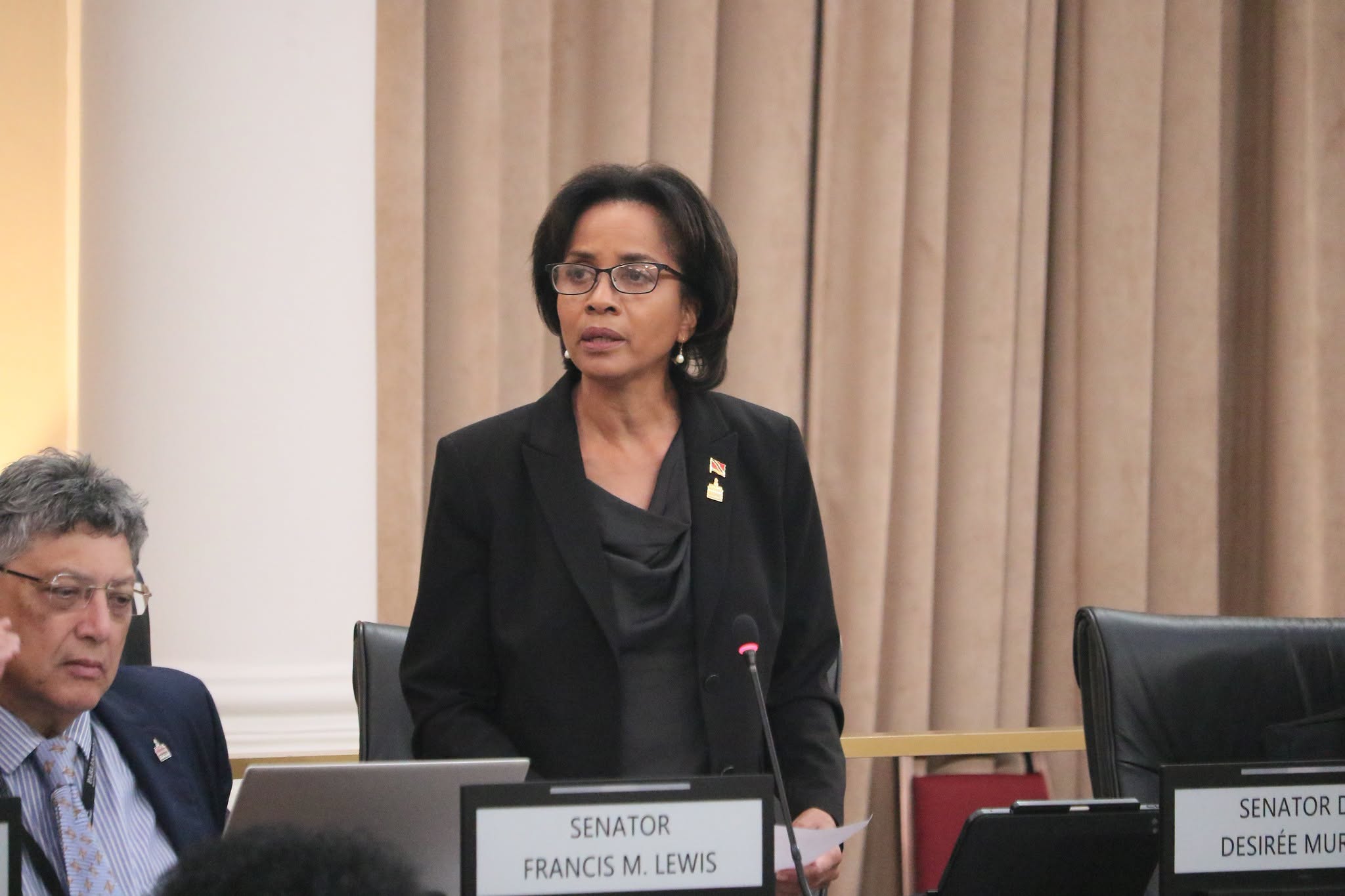
The bodycam amendment before
Mark had, shortly before this, used another casting vote with the status quo to vote no on an amendment brought by Murray making it mandatory for police officers to wear body cameras during the Special Operations provisions in the Bill.
He said the 15–15 vote on the amendment placed him, as presiding officer, “in an invidious position.”
He added, “But before I do it, this casting vote will come to the fore ultimately. I want to put it on the record, I have done extensive research on this matter and in this Parliament there is no settled practice on this vote called the casting vote.”
Mark said, “I have the evidence, I have the information to support my position, in this regard, I vote with the nos.”
Al-Rawi asked whether Mark was maintaining the status quo, but Mark said there was no settled practice on the matter.
Leader of Government Business in the Senate Darrell Allahar on Thursday defended Mark, who is to receive the nation’s highest award — the Order of the Republic of Trinidad and Tobago — at the National Awards Ceremony at Queen’s Hall at 6pm.
Allahar told AZP News: “I do not think that the framers of the Constitution ever intended that an elected government should depend on the vote or abstention of at least a single so-called ‘Independent Senator’ to pass an ordinary Bill.
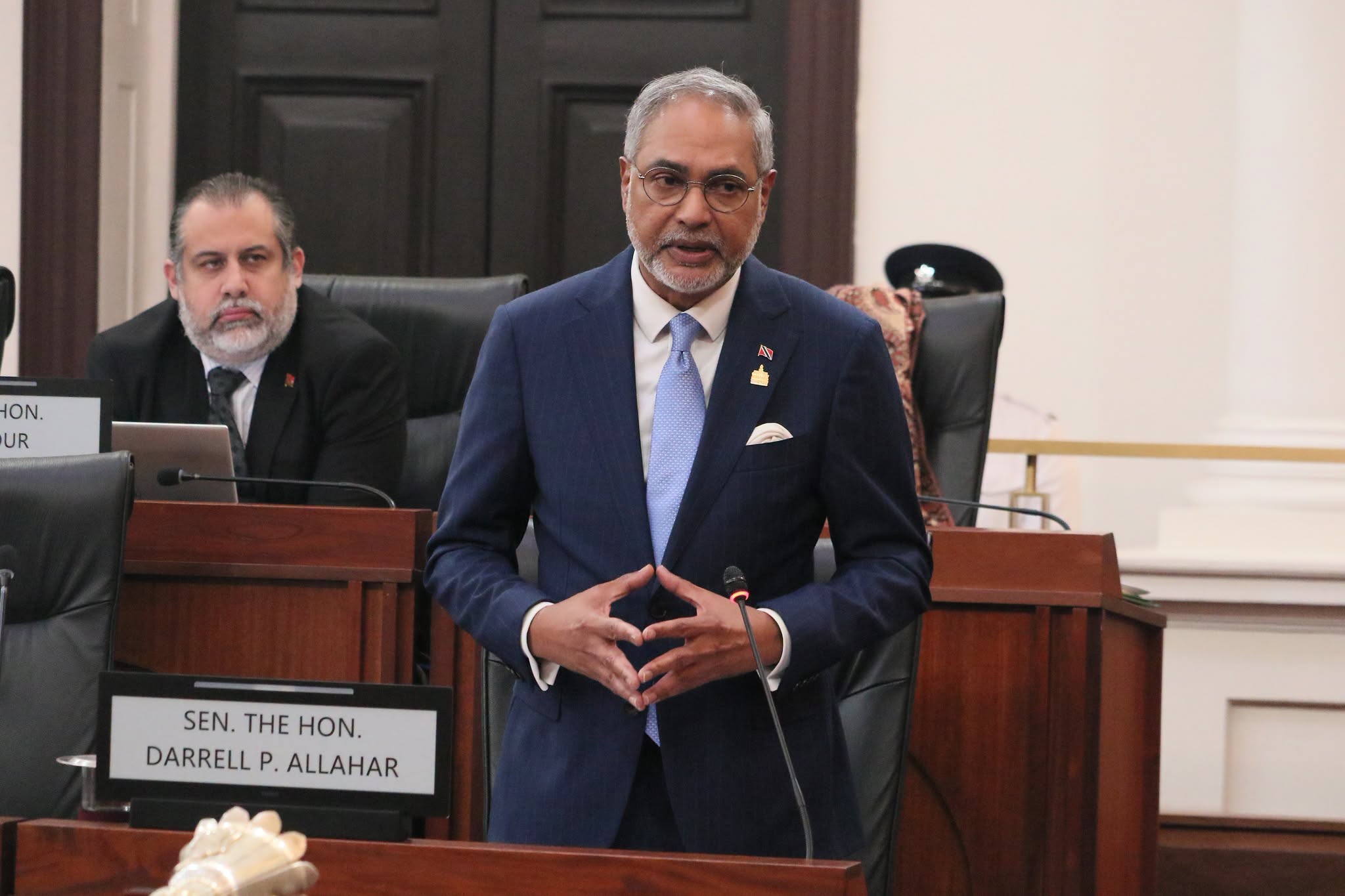
“If that were so, a democratically elected government would not be able to govern, and would be held to ransom by an unelected functionary chosen by the President.”
Allahar referred to the Bail (Access to Bail) Bill 2017 under the People’s National Movement (PNM) administration, when, after a 17–17 tie in the Lower House, Speaker Bridgid Annisette-George voted in favour, going against the status quo.
He also said that Senate President Nigel de Freitas exercised a casting vote to defeat an opposition motion calling for a transparent account of the Dragon Gas Deal.
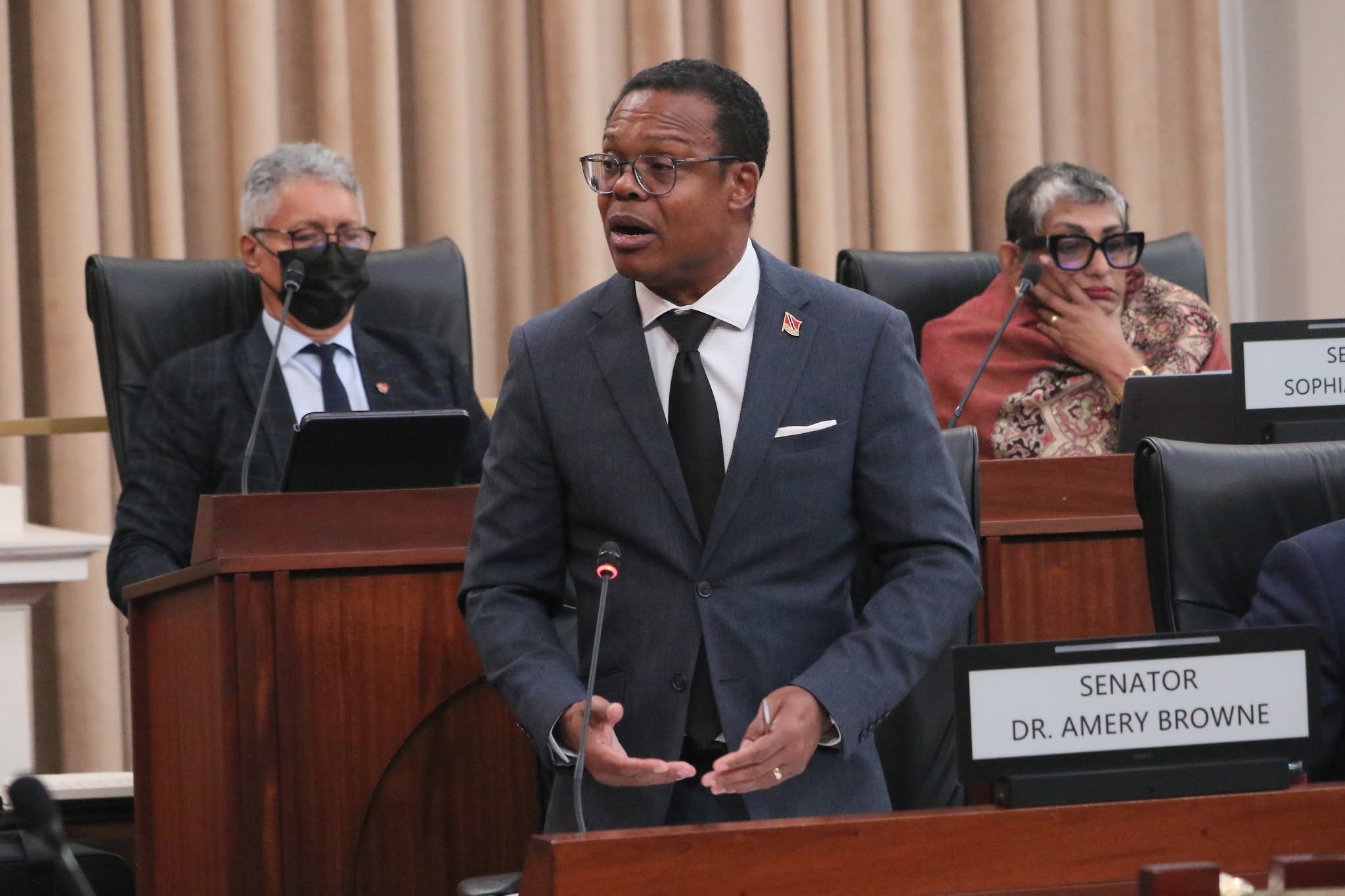
Contacted for comment on Thursday, Opposition Senator Dr Amery Browne said: “I remember the words of the late Frankie Khan.
“While in Government during an earlier administration, he told us that if the Government brings a Bill or any proposal to the Senate, and it fails to attract the vote of at least ONE out of the nine Independent Senators, then it really is a sign that the Government should take another look and consider going back to the drawing board.
“Clearly this current UNC regime has a very different view of democracy and the role of the Parliament. I make no comment on the casting vote exercised by President of the Senate Wade Mark.”