

- Electoral Mandate: The writer argues that the proposed changes to the legal ages for alcohol, tobacco, cannabis, and gambling were clearly outlined in the UNC’s 2025 General Election manifesto.
- Democratic Process: While acknowledging the importance of parliamentary scrutiny and stakeholder feedback, the author refutes claims that these policies were introduced without prior public notice.
- Youth Protection: The legislation aligns with Prime Minister Kamla Persad-Bissessar’s long-standing commitment to child welfare, taking a preventative approach to protect young people from harm.
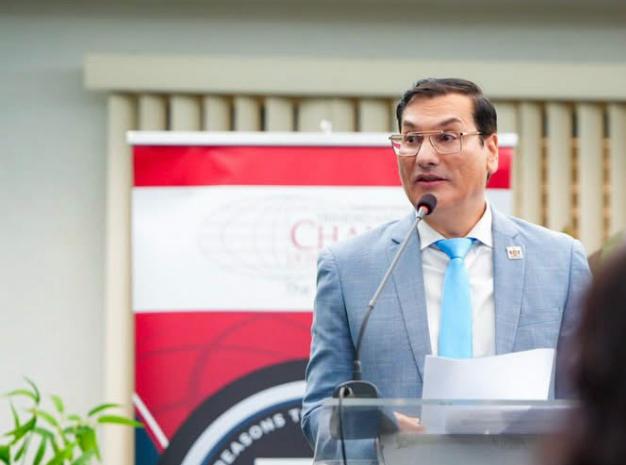
I have seen the questions being raised about consultation on the Government’s proposed changes concerning alcohol, tobacco, cannabis and gambling.
There is an important fact that should not be overlooked: this policy direction was put before the people of Trinidad and Tobago during the 2025 General Election campaign.
The UNC manifesto specifically committed to raising the legal age for marijuana use and gambling to 25, and to stronger enforcement of drug and liquor laws concerning minors. These were matters we took to the population as part of the programme upon which we sought the people’s support.
We campaigned across Trinidad and Tobago. We presented our policies publicly. Citizens had the opportunity to examine what we proposed, question us, agree or disagree with us, and ultimately make their decision at the ballot box.

The people voted, and the UNC was elected to govern.
That electoral mandate does not mean that Parliament ceases to scrutinise legislation, or that stakeholders cannot express concerns about particular provisions. They absolutely can. Indeed, Parliament itself is an important part of that democratic process.
But it is simply not accurate to suggest that the broad policy of strengthening protections for young people in relation to these activities suddenly appeared without prior public notice. The manifesto contained commitments in this area, and the Government is now bringing legislation to Parliament that includes raising the legal age for alcohol and tobacco from 18 to 21, and for cannabis and gambling from 18 to 25.
Governments are often criticised for making promises during elections and forgetting them afterwards.
This Government is doing the opposite.
We made a commitment to the people. We campaigned on it. The people gave us a mandate to govern.
Now, we are acting.
The protection of our young people has also been a consistent priority for Prime Minister Kamla Persad-Bissessar. Throughout her public life, she has placed children and their welfare at the forefront. One of the clearest examples was the establishment of the Children’s Life Fund in 2010, during her first administration, to help children access critical specialist medical treatment that was unavailable locally. The Fund was established by an Act of Parliament and continues to support eligible children and their families today.

That same principle of protecting our children and giving them the best possible chance in life is relevant to this Bill. Raising the legal ages and strengthening the law in relation to cannabis, dangerous drugs and gambling reflects a preventative approach: the Government has a responsibility not only to help our young people when they are in difficulty but, where reasonably possible, to protect them from harm in the first place.
That is why this legislation is important. It is about putting the welfare and future of our young people at the centre of public policy.
Promise made. Another promise being kept.
Neil Gosine is the Member of Parliament for Chaguanas West and the Parliamentary Secretary at the Ministry of Trade, Investment and Tourism